
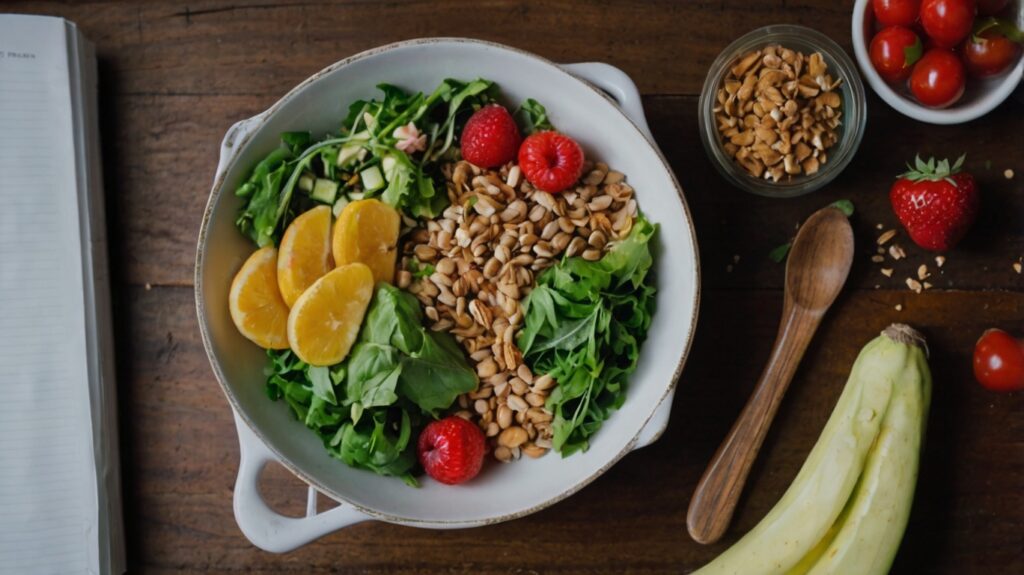
Healthy Eating Habits are crucial for busy professionals. in today’s fast-paced world, where long work hours, numerous meetings, tight deadlines, and personal commitments demand sustained energy and mental clarity.
Plan and Prep Meals in Advance for Healthy Eating Habits
Developing Healthy Eating Habits starts with planning and prepping meals ahead. Preparing salads, grilled proteins, and roasted vegetables in advance not only saves valuable time but also reduces reliance on unhealthy fast food and snacks.
Prioritize Balanced Meals
Next, prioritizing balanced meals is key. Including healthy fats such as avocado and nuts, complex carbohydrates like quinoa and brown rice, and fiber-rich fruits and vegetables helps stabilize energy levels and supports muscle repair.
Stay Hydrated Throughout the Day
Staying hydrated is vital. Drinking enough water prevents fatigue, headaches, and poor concentration—a cornerstone of maintaining good dietary habits.
Choose Smart Snacks for Sustained Energy
Smart snacking plays a critical role. for nutrient-dense snacks like almonds, Greek yogurt, fresh fruits, or sliced vegetables with hummus to avoid energy crashes and maintain focus between meals, supporting ongoing Healthy Eating Habits.
Practice Mindful Eating Daily
Moreover, mindful eating encourages better digestion and helps prevent overeating.
Limit Processed Foods and Added Sugars
Also, limiting processed foods and added sugars is important for long-term health.
Incorporate Portable, Nutritious Options
Similarly, portable snacks such as nuts, seeds, protein bars with minimal sugar, hard-boiled eggs, and fresh fruit support nutritious eating on-the-go.
Don’t Skip Breakfast
Importantly, never skip breakfast. A morning meal that includes protein, fiber, and healthy fats—like oatmeal with nuts or scrambled eggs with spinach—boosts metabolism and sharpens mental focus for the day ahead.
Plan for Eating Out Strategically
When dining out, maintaining Healthy Eating Habits requires planning. Review menus ahead of time, choose grilled or baked options, request sauces and dressings on the side, and control portion sizes to stick to your goals.
Listen to Your Body’s Needs
Finally, practice flexibility by listening to your body. Everyone’s nutritional needs differ based on age, activity level, and health. Keeping a food journal or consulting a registered dietitian can provide personalized guidance for building a lifestyle that truly works for you.
Conclusion:
In conclusion, cultivating Healthy Eating Habits is achievable even with a busy schedule. Through meal planning, balanced food choices, mindful eating, and smart snacking, busy professionals can sustain energy, improve focus, and support long-term well-being.
If you want more service you can contact us.